Time For Timber
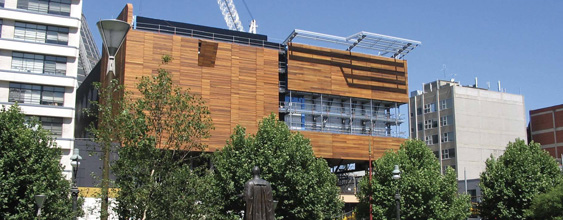
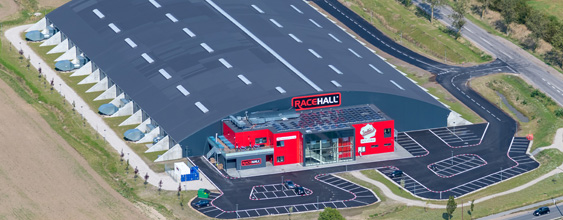
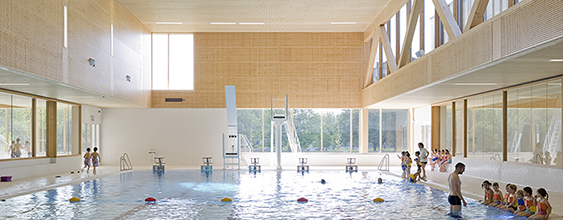
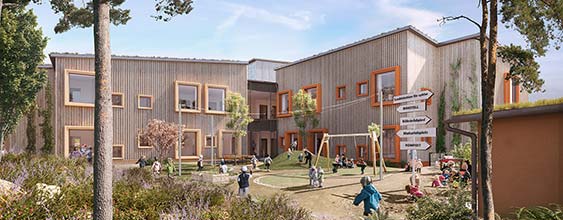
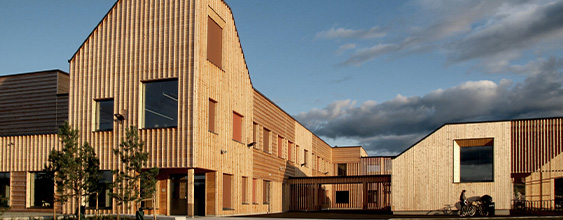
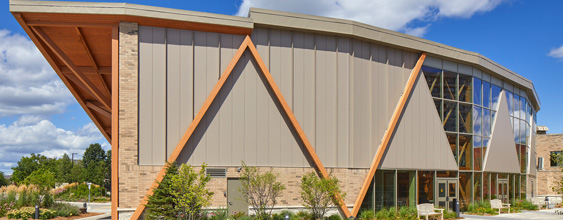
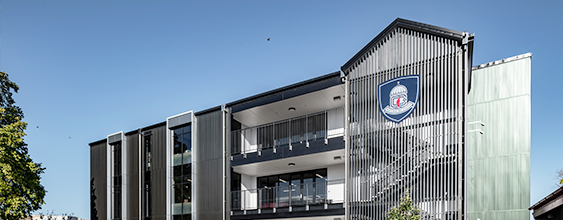
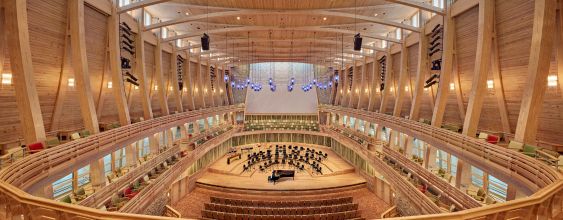
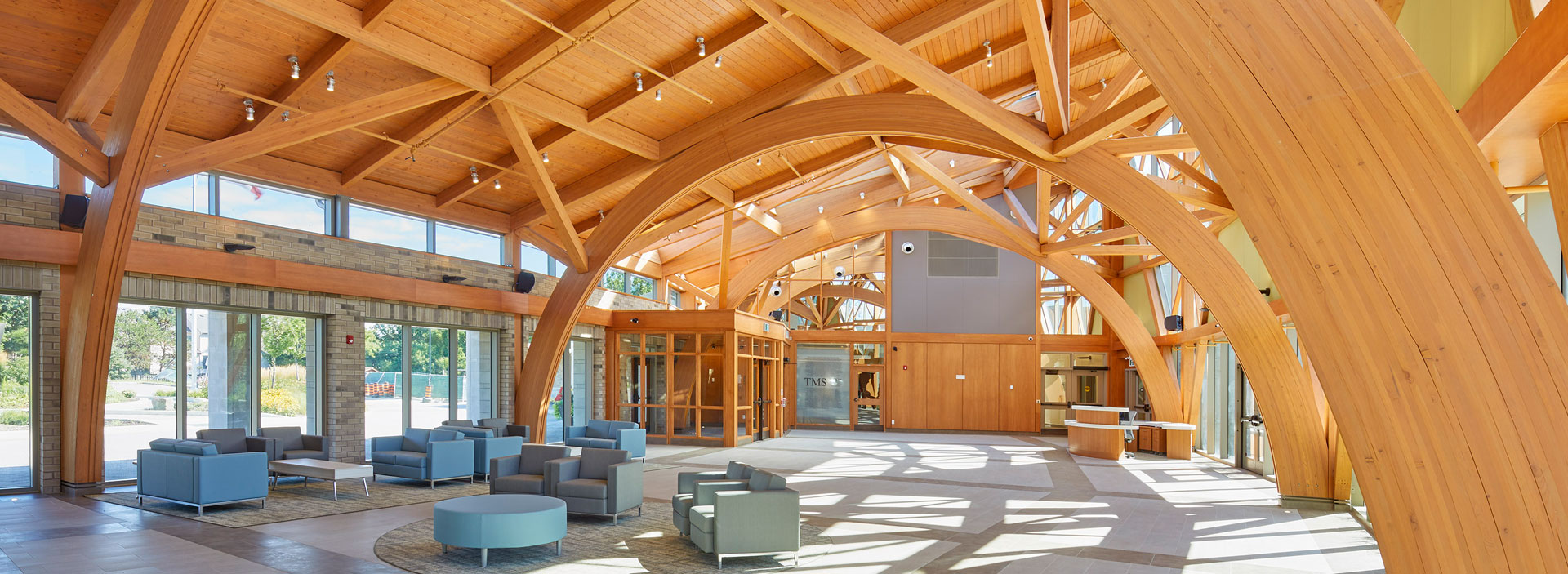
Timber has been used as a building material for thousands of years. Thanks to its sustainability benefits, the speed of construction through off-site manufacture, and the growing evidence of the benefits to the well-being of occupants, timber is currently experiencing a renaissance in the building industry.
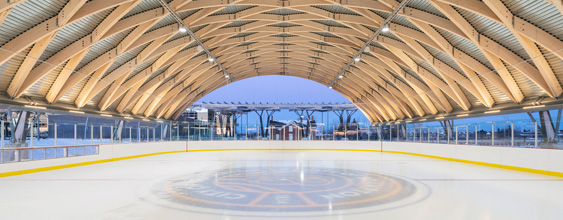
Driven by ambitious and visionary projects, timber construction is being developed into new and exciting possibilities.

Carbon friendly
Timber is renewable, recyclable, biodegradable and waste efficient.

Healthy
Timber buildings support the health and wellbeing of people in homes, offices, schools and in healthcare.
Design
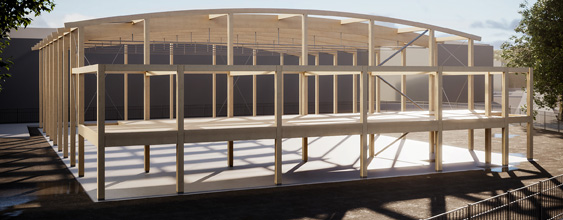
Offsite manufacturing permit more complicated designs and factory production means enhanced quality control and assurance
Loading…